
Over the last 48 hours, the World Cup violently retired the old guard.
- Neymar wept in New Jersey,
- Guillermo Ochoa bowed out in Mexico City,
- and Cristiano Ronaldo walked off the pitch in Dallas for the final time.
The mainstream sports media is currently blanketing the internet with tear-jerker tribute pieces and career retrospectives. But on the ground in these host cities, a very different, highly logistical reality is unfolding.
The moment a generational mega-star is eliminated, their massive traveling fan bases don't stay to sightsee. They pack up, liquidate their remaining reservations, and trigger a massive, synchronized infrastructure strain: The Mourning Exodus.
For fans still navigating the tournament—whether you are a neutral hopping between Quarter-Final cities or a traveling supporter caught in the crossfire of these sudden eliminations—here is the tactical intelligence on how to survive the outbound transit squeeze.
The Sudden Flight Squeeze
The immediate aftermath of a legacy-ending loss acts like a sudden shock to the regional aviation grid. Within minutes of the final whistle in Dallas, New York/New Jersey, and Mexico City, airline routing algorithms registered massive, abnormal spikes in search volume and ticket changes.
Tens of thousands of fans who had booked open-ended return flights or multi-city itineraries assuming a deep tournament run are suddenly executing early exit strategies.
The immediate impacts include:
- The 12-Hour Airport Flood: Devastated fans are abandoning their base camps and heading straight to major hubs like DFW, EWR, and MEX to fly standby or catch the earliest possible outbound flight, severely straining TSA and international departure terminals.
- Algorithm Price Spikes: As sudden, concentrated demand hits the remaining outbound seats for the next 24 to 48 hours, airline dynamic pricing algorithms automatically surge the cost of last-minute one-way tickets to extortionate levels.
- Portal Crashes: Standard booking sites and official airline apps frequently experience timeout errors as thousands of fans attempt to re-book simultaneously from the same stadium cell-tower grids.
Bypass the Gridlock: Dynamic Rerouting
If you are a fan caught in the Mourning Exodus needing an emergency route change, or a neutral fan trying to navigate into these suddenly vacating cities for the Quarter-Finals, you must avoid the primary consumer portals.
Bypass the Knockout Flight Crash
Standard booking sites lock up during match scheduling spikes. Use our routing terminal above to scan real-time multi-hop flight options across North American host hubs.
⚡ Real-Time Seat Availability • Global Multicity Routing Enabled
The Base Camp Evacuation
The Mourning Exodus isn't limited to the fans; the official team footprints vanish overnight.
When a national team is eliminated, their massive logistical apparatus—comprising players, coaching staff, federation executives, and dedicated international media—completely packs up their base camps within 12 to 24 hours.
For cities that hosted these mega-teams, the evacuation creates an immediate vacuum. Boutique hotels that were completely locked down by national federations for weeks are suddenly returning premium blocks of rooms to the open market. Massive security perimeters around training facilities are dismantled, altering local traffic flows and rideshare routing that locals and fans had grown accustomed to.
 The Hub Curator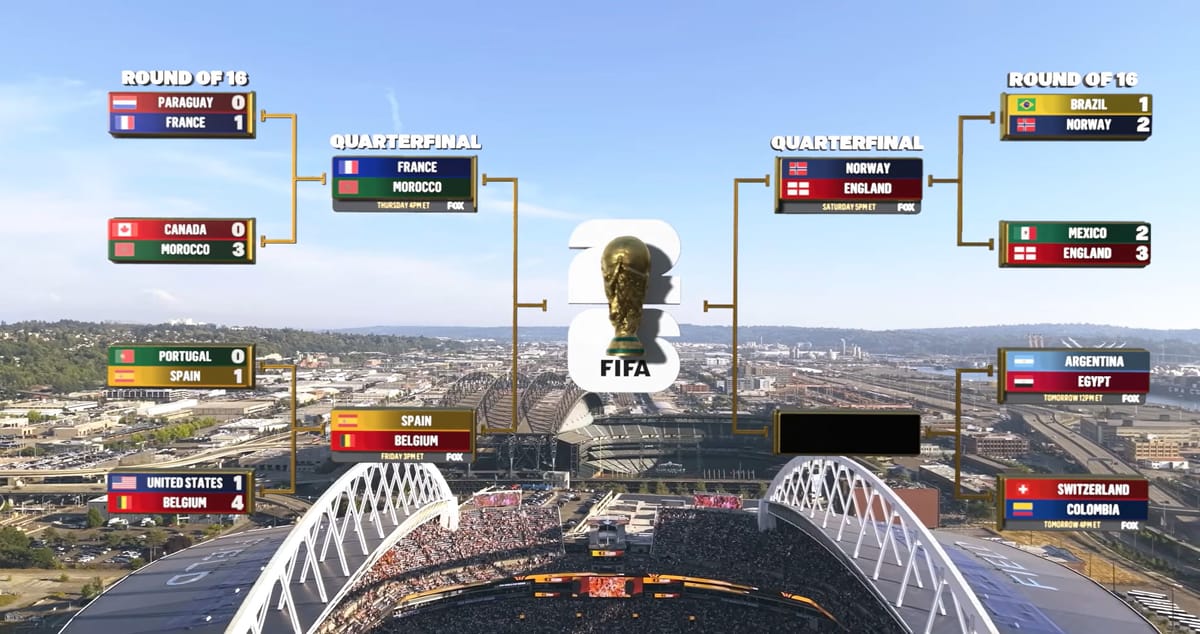
If you thought you were priced out of the Elite Eight and beyond, the window has officially reopened.
The Neutral Fan Opportunity
While the departure of players like Ronaldo and Neymar carries a heavy emotional weight, it presents a distinct opportunity for the tactical traveler.
The Mourning Exodus is the inverse of the Quarter-Final squeeze. As devastated fans rush out of these cities, they leave behind suddenly available hotel inventory, plummeting short-term rental rates, and highly motivated secondary-market ticket sellers for the remaining matches in that stadium.
If you can navigate the immediate flight gridlock, the cities left behind by the departing legends just became the most accessible, budget-friendly destinations left in the 2026 World Cup.


