
The Iran Football Federation's emergency relocation of its World Cup base camp from Arizona to Tijuana, Mexico, has forced security officials to activate an unprecedented international transit protocol. For the first time in FIFA World Cup history, a competing national team will train in one country while commuting across an international border for matchdays in another.
Federal agencies on both sides of the border are now deploying a highly specialized "Safe Corridor" framework to guarantee rapid, secure movement between Baja California and Southern California venues.
Stay in the loop on FIFA World Cup 2026 insights, Match Day and Host City Intelligence.
Get plain-English updates on tournament changes, match-day logistics, stories, and events that matter.
The Tactical Border Bottleneck
Under normal circumstances, the San Ysidro and Otay Mesa ports of entry between Tijuana and San Diego are among the busiest land border crossings in the world, plagued by unpredictable wait times. For an elite athletic delegation operating on strict, down-to-the-minute training and recovery schedules, standard border processing is an operational impossibility.
To eliminate delays, a coordinated effort involving the U.S. Department of Homeland Security (DHS), U.S. Customs and Border Protection (CBP), and Mexican Federal Authorities has established a sterilized transit pipeline.
=======================================================================
                      THE TEAM MELLI TRANSIT CORRIDOR
=======================================================================

  [ Tijuana Training Base ] ===> Secured Escort (Mexican Federal Guard)
                                          │
                                          ▼
  [ Otay Mesa Port of Entry ] => Sterilized CBP Lane (Pre-Cleared Status)
                                          │
                                          ▼
  [ San Diego International ] => Private Charter Flight to US Host City
                                          │
                                          ▼
  [ Target Matchday Venue ] ====> Sterile Security Perimeter Arrival

=======================================================================
 The Hub Curator
Don't miss our latest May 2026 update
Anatomy of the "Sterilized Transit" Protocol
The cross-border transport architecture relies on pre-clearance and continuous armed escorts to neutralize both security threats and logistical delays.
1. Pre-Cleared Manifests and Mobile CBP Processing
Rather than stopping at traditional border booths, the team delegation undergoes biometric screening and passport verification directly at their secure training compound in Tijuana. U.S. border officials are deployed off-site to clear the entire manifest before the team buses ever approach the physical border line.
2. The Dedicated Freight Lane Bypass
When the team caravan moves, Mexican Federal Guard units escort the buses directly through dedicated commercial freight lanes at the Otay Mesa port of entry. These lanes are temporarily shut down to all public and commercial traffic, allowing the team caravan to cross international boundaries at speed without stopping.
3. Airfield Direct Tarmac Transfers
Once inside the United States, California Highway Patrol (CHP) takes over the escort. The primary routing sends the squad directly to the tarmac at San Diego International Airport (SAN) or nearby regional airfields. Players transfer straight from the buses onto private charters, bypassing public airport terminals entirely to maintain a sterile health and security bubble.
Implications for Traveling Fans
This high-security blueprint sets a strict precedent for international fan groups planning to base themselves in Mexico for cheaper lodging while commuting to U.S. matches.
- No Fan Exceptions: Traveling supporters will not have access to the team's sterilized transit lanes. Fans attempting a cross-border matchday commute must brace for standard, heavily congested border queues.
- Intensified Document Checks: Border entry points in Southern California are increasing screening protocols for non-ticketed travelers during match weeks to prevent border infrastructure gridlock.
- The Transit Window Rule: Fans utilizing land crossings are advised to cross a minimum of 6 to 8 hours ahead of kickoff if attempting to reach Southern California match venues from Baja hotels.
 The Hub Curator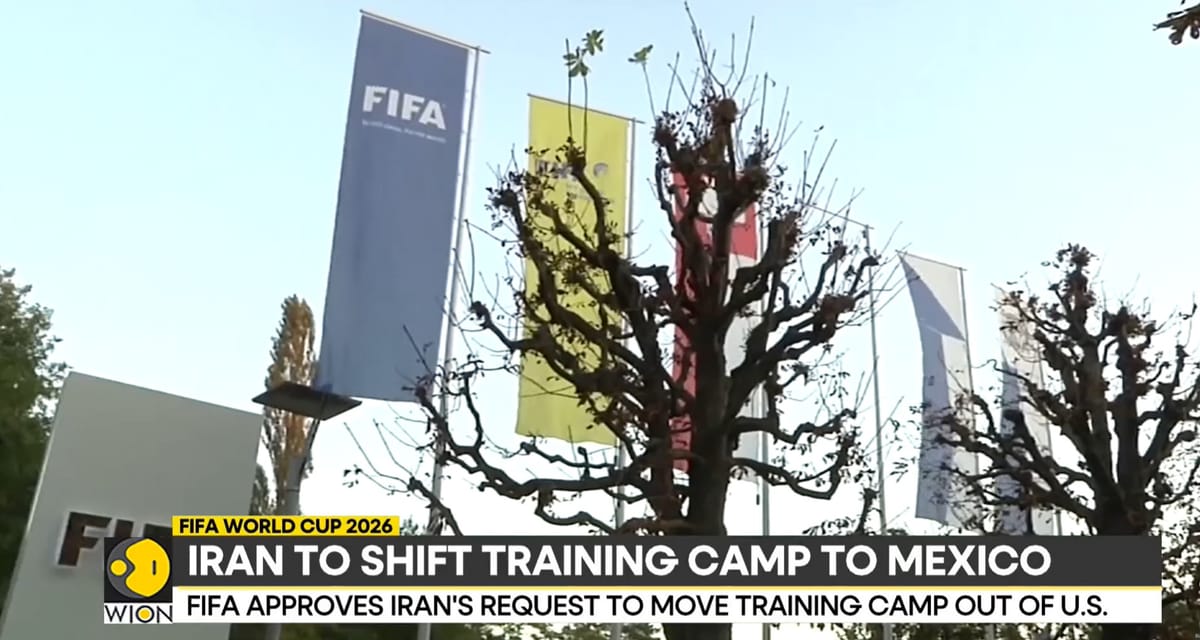
Image credit: Gautam Krishnan / Unsplash


