
A practical, high-utility operational guide for navigating matchday realities, sudden hotel market corrections, and transport bottlenecks across all three host nations.
Phase 1: Eligibility, Base Camps & Entry
[ ] Passport Expiration Check:
Verify your passport is valid until at least February 2027 to satisfy the strict six-month post-tournament boundary.
[ ] Secure Border Clearances:
Confirm active status for US ESTA, Canada eTA, or Mexican digital tourist visas (FMM).
[ ] Multiple-Entry Validation:
Ensure your travel clearance explicitly permits multiple entries if your itinerary crosses borders between the US, Canada, and Mexico.
[ ] Document Redundancy:
Store physical printouts of all visa approvals and match tickets separate from your phone to bypass cellular network congestion at stadium gates.
[ ] Base Camp Security Awareness:
Identify if your lodging sits near an official international Team Base Camp (such as France in Boston or Brazil in NY/NJ) and account for rolling highway closures during team movements.
👉 Action Link:
Review our Visa & Entry Guide to audit entry protocols.
Bypass the Stadium Chaos
Join traveling fans getting instant, plain-English match-day and transit intelligence directly to their inbox.
⚡ 100% Free • No Chatbot Noise • Pure Operational Intel
Get Free Match-Day IntelligencePhase 2: Accommodation Optimization & Market Adjustments
[ ] Exploit Released FIFA Room Blocks:
Re-check hotel inventory in Boston, Dallas, Los Angeles, Philadelphia, and Seattle to capitalize on the recent 70% room dump.
[ ] Break the Minimum-Stay Trap:
Audit your current reservations; if you locked in a predatory 4-to-5-night minimum, cancel refundable tiers and re-book single-night stays at newly corrected market rates.
[ ] Verify Short-Term Rental Permitting:
If utilizing alternative platforms, message your host to confirm their property holds a valid local city municipal registration number to prevent last-minute cancellations.
[ ] Align Hotel with Transit Pipelines:
Ensure your lodging sits within walking distance of a primary heavy rail or subway line, rather than relying on gridlocked highway corridors.
👉 Action Link:
See our Hotel Room Dump Exploitation Guide to slash accommodation costs.
Phase 3: Match-Day Transit & Mobility Pipelines
[ ] Secure Suburban Rail Passes:
Pre-purchase digital transit tickets for isolated suburban venues like Dallas Stadium (Arlington) and Boston Stadium (Foxborough) via proprietary local transit apps.
[ ] Map the Urban Rail Alternatives:
Identify your exact subway and light-rail boarding stations (such as the MARTA network in Atlanta or the SEPTA Broad Street Line in Philadelphia) to completely bypass rideshare surge pricing.
[ ] Establish Rideshare Buffer Zones:
If you must use rideshares, identify designated drop-off points outside the sterile perimeter (such as the Arlington Entertainment District in Dallas) and walk the final half-mile.
[ ] Cross-Border Fan Commute Planning:
If basing out of Tijuana hotels for Southern California matches, allow a minimum 6-to-8-hour land-border buffer to account for heavy fan immigration queues.
👉 Action Link:
Review our Transit & Mobility Guide to lock in your matchday transport pipelines.
Phase 4: Stadium Perimeter & Safety Protocol Readiness
[ ] Audit Clear Bag Compliance:
Ensure your stadium bags match the strict, transparent plastic dimensions dictated by FIFA safety protocols.
[ ] Extreme Climate Preparation:
Pack high-grade hydration packs and sun protection if attending open-air walkways in high-heat zones like Monterrey, Guadalajara, or Atlanta.
[ ] Download Verified Transit Apps:
Install individual municipal transit maps and flight tracking tools directly to your device; completely avoid unverified social media travel alerts.
[ ] Identify Safe Corridor Assets:
Review local law enforcement "Safe Corridor" routing maps for your specific matchday city to guarantee secure movement post-match.
👉 Action Link:
Read our Safe Corridor Strategy Brief for tactical stadium safety.
 The Hub Curator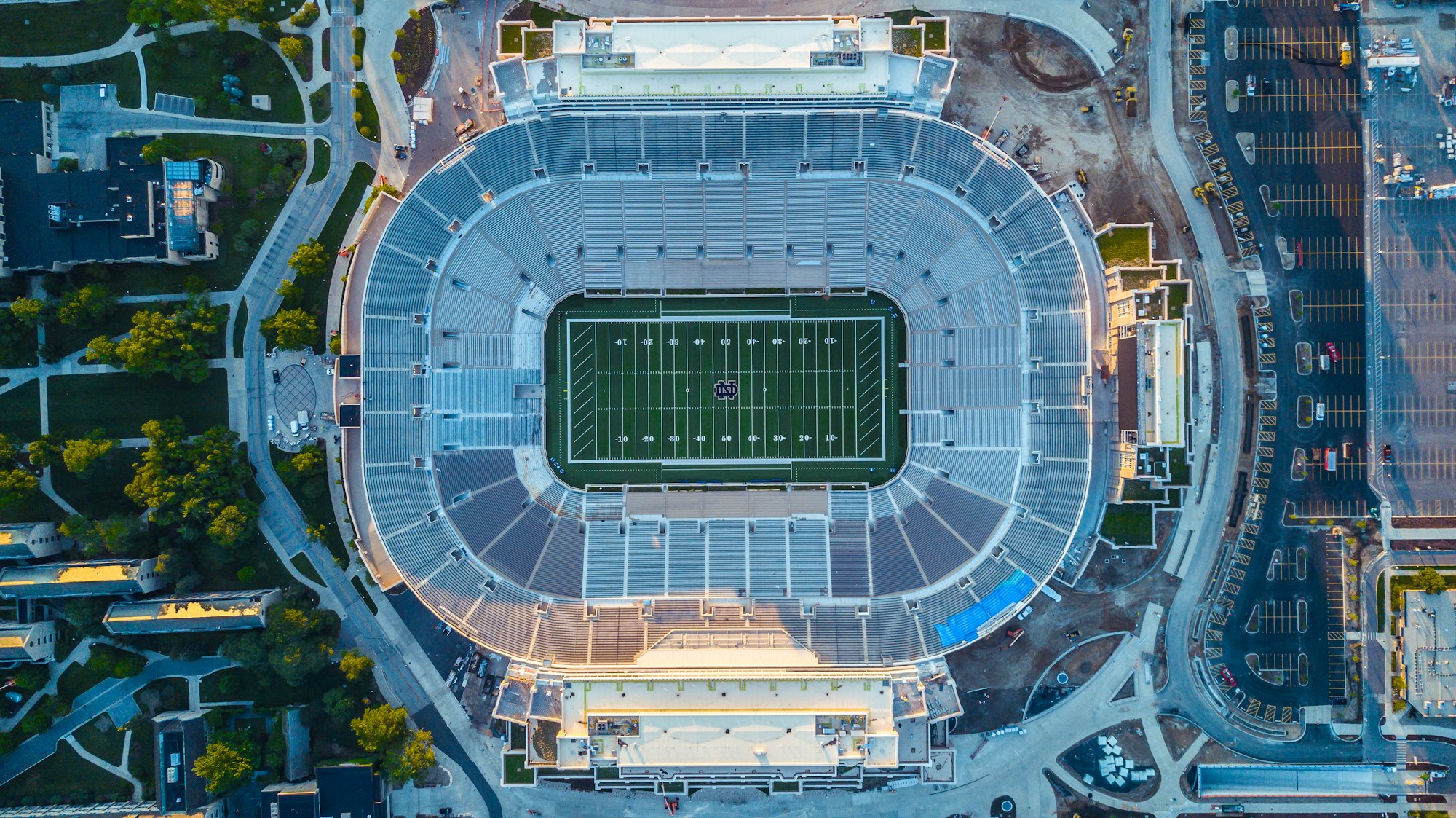
Phase 5: Final Countdown Verification (48 Hours to Kickoff)
[ ] Re-download Digital Tickets:
Refresh your official ticketing app wallet while on a stable home connection to ensure offline ticket rendering functions perfectly.
[ ] Confirm Flight Status Metrics:
Monitor inter-city flight patterns; domestic carriers are experiencing high volume delays due to concentrated fan movements.
[ ] Cache Offline Maps:
Download full offline Google or Apple maps for your target host cities to maintain navigation if local cellular towers experience data throttling.
[ ] Empty Pockets/Minimize Valuables:
Streamline your physical setup before approaching security arches to guarantee rapid entry through high-throughput biometric checkpoints.
The Hub Curator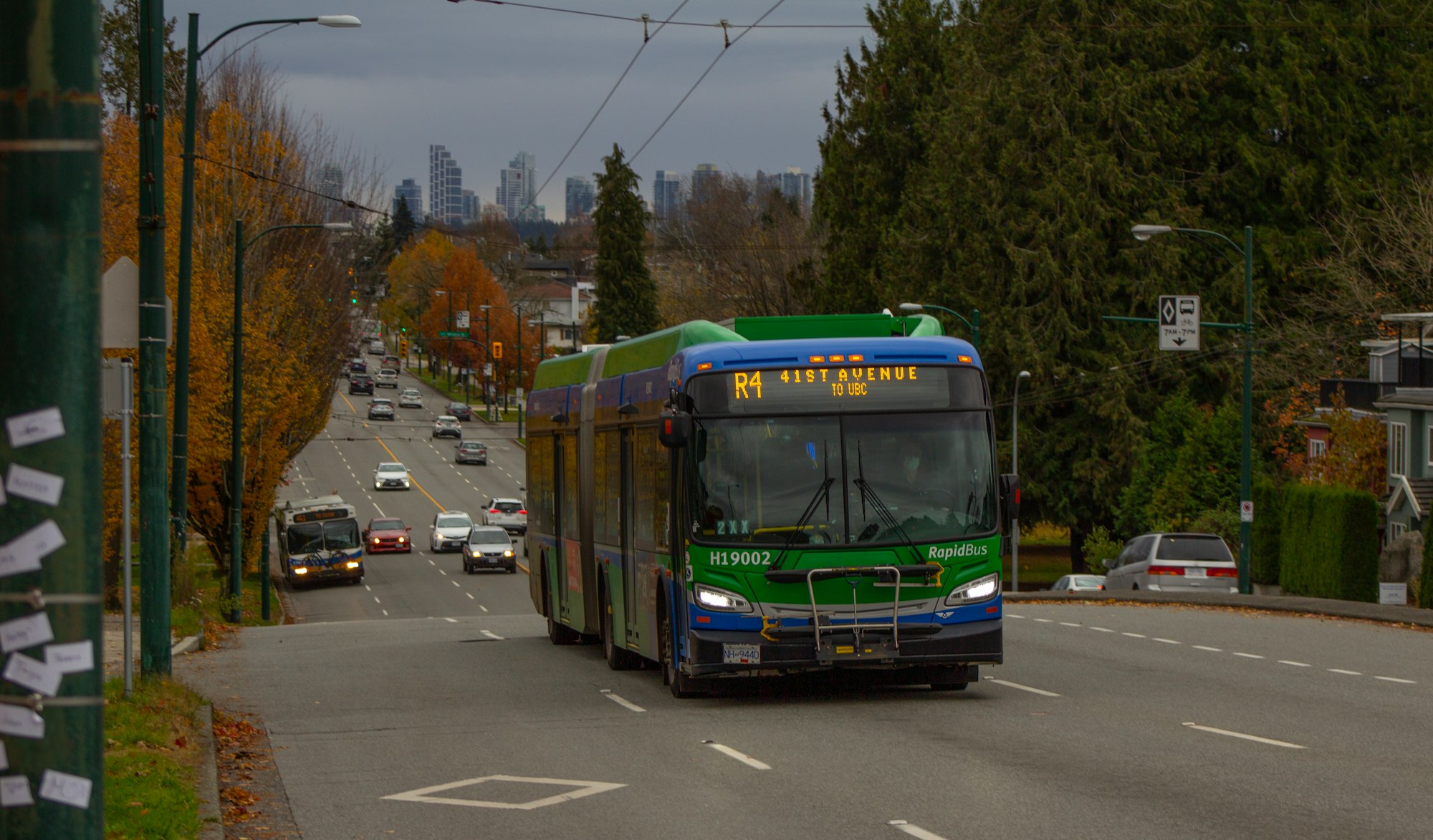
How to Execute This Checklist
- Decide in Sequence:
Complete phases linearly to avoid financial exposure on unoptimized flights or non-refundable rooms. - Revisit Weekly:
Inventory levels, transit schedules, and stadium security perimeters remain highly fluid as matchday approaches. - Cross-Reference Frequently:
Use this tool side-by-side with our hyper-localized Host City Intelligence profiles to match structural advice with real-world infrastructure.
The Hub Curator
Also review our World Cup 2026 Planning Checklist (published: March 2026)


