
Transit Intelligence: The opening matchdays of the 2026 FIFA World Cup have officially exposed the structural limits of North American aviation infrastructure. Major North American aviation hubs are experiencing an unprecedented "stress test" that is causing severe cascading delays.
Saturated regional air traffic corridors and terminal gate gridlock are triggering severe rolling delays for short-haul flights between host cities, causing traveling fans attempting same-day flight transfers to actively miss kickoffs.
With millions of spectators moving concurrently between matches, the aviation network has hit peak capacity, validating the warning that transportation, not ticket availability, will ultimately dictate the fan experience.
 The Hub Curator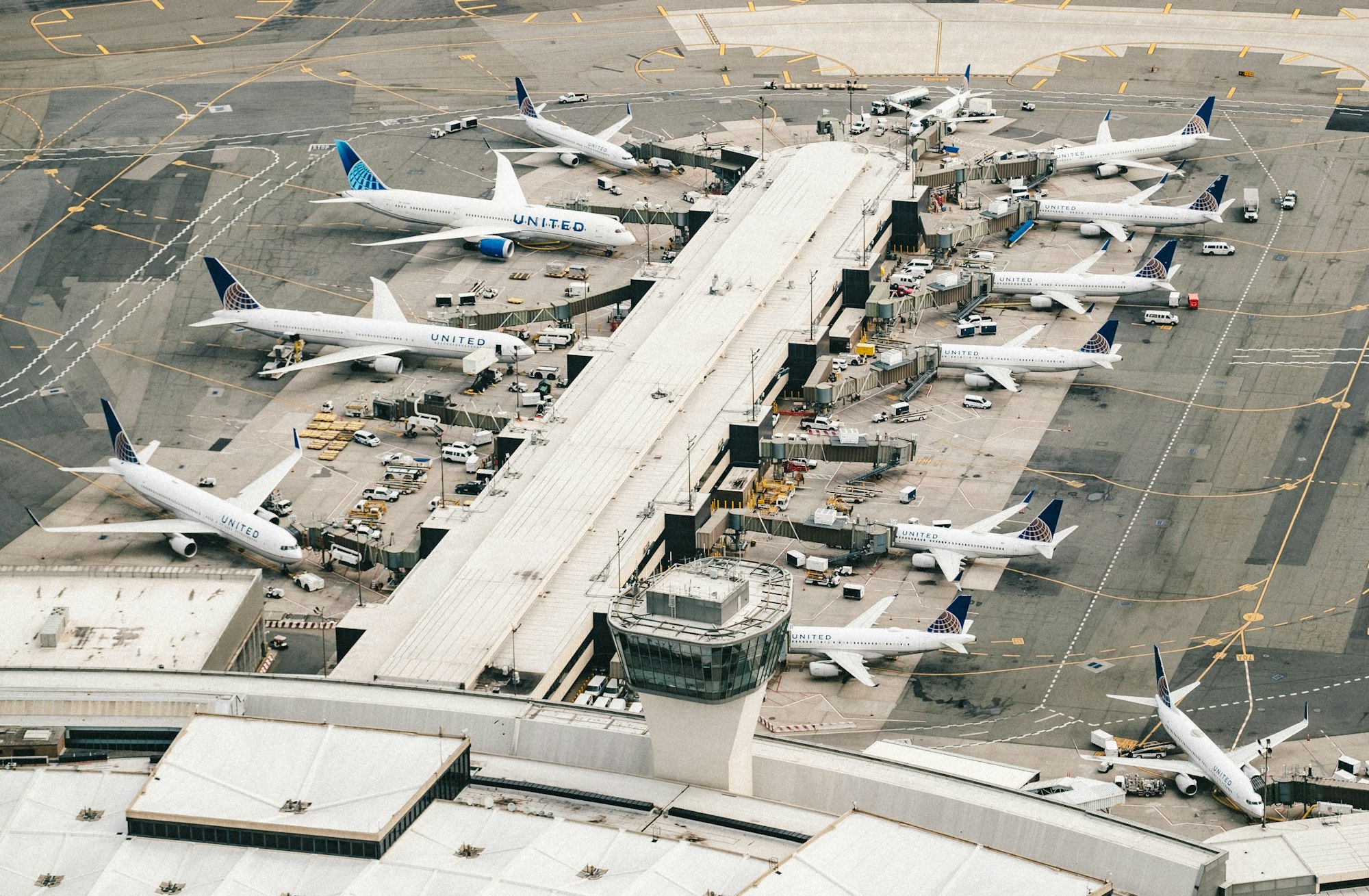
The Flight Delay Stacking Effect
The primary logistical breakdown is not occurring during airborne transit, but on the tarmac. Major airport hubs serving as critical tournament gateways—including Los Angeles (LAX), Dallas-Fort Worth (DFW), and New York (EWR)—are experiencing intense gate saturation.
- Mazhar Arikan associate professor and Anderson Family Fellow at the University of Kansas
Because commercial airlines crammed their flight schedules to handle tournament demand, a single 15-minute gate delay in a departure city cascades across the network, stacking multi-hour delays by midday.
=======================================================================
                        THE SAME-DAY AIR TRANSIT TRAP
=======================================================================

  [ Short-Haul Flight Plan ] ══> Looks Efficient on Paper (1.5 Hours)
               │
               ▼ (Saturated Hub Infrastructure)
  [ Gate Saturation Delay ]  ══> Tarmac Hold-Times Stack up to 2 Hours
               │
               ▼ (The Domino Effect)
  [ Missing the Buffer ]     ══> Fans Miss Stadium Express Shuttles
               │
               ▼
  [ Lost Matchday Entry ]    ══> Arrival Outside Perimeter After Kickoff

=======================================================================
Rail vs. Air: The Reliability Dividends
Operational data from the initial match dates confirms that rail networks are heavily outperforming aviation in terms of predictable timeline scheduling. In dense corridors like the Northeast—linking Boston, New York, and Philadelphia—fans utilizing dedicated heavy rail pipelines are arriving at stadium security gates exactly on schedule.
Short-haul air transfers lack this predictability. When an airport hits 110% capacity forecasts, air traffic control forces ground stops, leaving fans stranded on tarmacs while matches kick off miles away.
Bypass the Stadium Chaos
Join traveling fans getting instant, plain-English match-day and transit intelligence directly to their inbox.
⚡ 100% Free • No Chatbot Noise • Pure Operational Intel
Get Free Match-Day IntelligenceWhy Same-Day World Cup Travel Is Saturated
A combination of unprecedented tournament logistics, residual staffing issues, and severe seasonal weather has created a highly disruptive environment for air travel:
The Point-to-Point Travel Crunch:
Unlike normal airline operations that rely on optimized "banked hub" models, the World Cup is generating massive, unpredictable waves of point-to-point travel as fans chase teams between unusual city pairs. When thousands of fans book flights with hard match-time deadlines, the system quickly oversaturates.
Severe Severe Weather Blockades
Over the last few days, severe thunderstorms and tornadoes forced massive ground stops at major transit hubs like Chicago O'Hare, Chicago Midway, New York JFK, Newark, and Philadelphia.
This has triggered a massive ripple effect across the entire national airspace, grounding or delaying thousands of flights.
The "Next Flight" Reality
In standard travel conditions, a missed connection is resolved by boarding a later flight. However, because World Cup routes are running at absolute maximum capacity, there are virtually no open seats on many subsequent flights.
A delay of just 30 minutes can cause a missed connection that leaves a fan stranded until the following day.
Staffing Reductions
Residual staffing shortages from the Department of Homeland Security funding lapse earlier this spring have heavily strained current TSA checkpoint processing times, as newly hired security officers require 4 to 6 months of training and are not yet on the floor.
Urgent Tactical Adjustments for Fans
If you hold tickets for upcoming matches in different cities, you must immediately adjust your travel parameters:
Enforce a Strict 12-Hour Buffer
- Completely abandon the concept of flying into a host city 3 to 4 hours before kickoff.
- If your flight is delayed by even 45 minutes, you will lose your entire matchday window.
Pivot to City-Center Rail Transit
- Wherever geographically viable, re-book travel onto regional rail networks.
- Arriving city-center to city-center eliminates the multi-hour airport security and baggage bottleneck.
Cache Digital Flight Logs
Keep offline purchase records, timestamps, and ticket category confirmations readily accessible on your mobile device.
If terminal cellular networks experience heavy data throttling, you must have offline proof of your travel manifests to clear expedited terminal ticketing rows.
 The Hub Curator
 The Hub Curator
Host Cities Intelligence at your fingertips when you need it!


