
The 2026 World Cup is pushing North American transit infrastructure to its absolute breaking point. While getting from city to city is standard travel planning, navigating the final three miles to your stadium seat is proving to be a logistical nightmare for tens of thousands of fans.
Two venues in particular—MetLife Stadium (NY/NJ) and Gillette Stadium (Boston/Foxborough)—present distinct, high-risk transit bottlenecks.
If you rely purely on rideshare apps like Uber or Lyft on match day, you are highly likely to find yourself trapped in gridlock, facing 4x surge pricing, or completely stranded post-match. This definitive, operational playbook outlines the exact transit traps at these two marquee venues and how to bypass them.
1. The MetLife Stadium (NY/NJ) Rideshare Trap
MetLife Stadium is a logistical island surrounded by the heavily congested Meadowlands wetlands network. Attempting a direct drop-off or pick-up via rideshare here is an operational failure.
The Problem: Gridlock & Designated Zone Bottlenecks
During major tournaments, local police restrict all vehicle access directly surrounding the stadium footprint. Rideshares are forced into a single, highly congested designated lot.
- The Trap: Getting into this lot post-match can take drivers upwards of 90 minutes just to reach you.
- The Consequence: Cellular networks routinely choke under stadium loads, making it impossible to connect with your driver, leading to canceled rides and compounding cancellation fees.
Bypass the Stadium Chaos
Join traveling fans getting instant, plain-English match-day and transit intelligence directly to their inbox.
⚡ 100% Free • No Chatbot Noise • Pure Operational Intel
Get Free Match-Day IntelligenceThe Playbook Fix: The NJ Transit Rail Vector
Do not open your rideshare app at the stadium gates. Instead, leverage the dedicated rail spur designed to handle heavy mass transit volume.
- Take the Train to Secaucus: Post-match, walk directly to the Meadowlands Rail Station located right outside the stadium. Board the NJ Transit shuttle train directly to Secaucus Junction.
- The Escape Route: Once you arrive at Secaucus Junction, you are completely clear of the stadium gridlock zone.
- The Call: Open your rideshare app at Secaucus to call an Uber/Lyft into Manhattan or your hotel, or catch a connecting train directly into New York Penn Station.
You will save hours of wait time and hundreds of dollars in surge pricing.
Bookmark it for the duration of the entire tournament - you will need this information!
 The Hub Curator
All our coverage focusing on MetLife stadium logistics
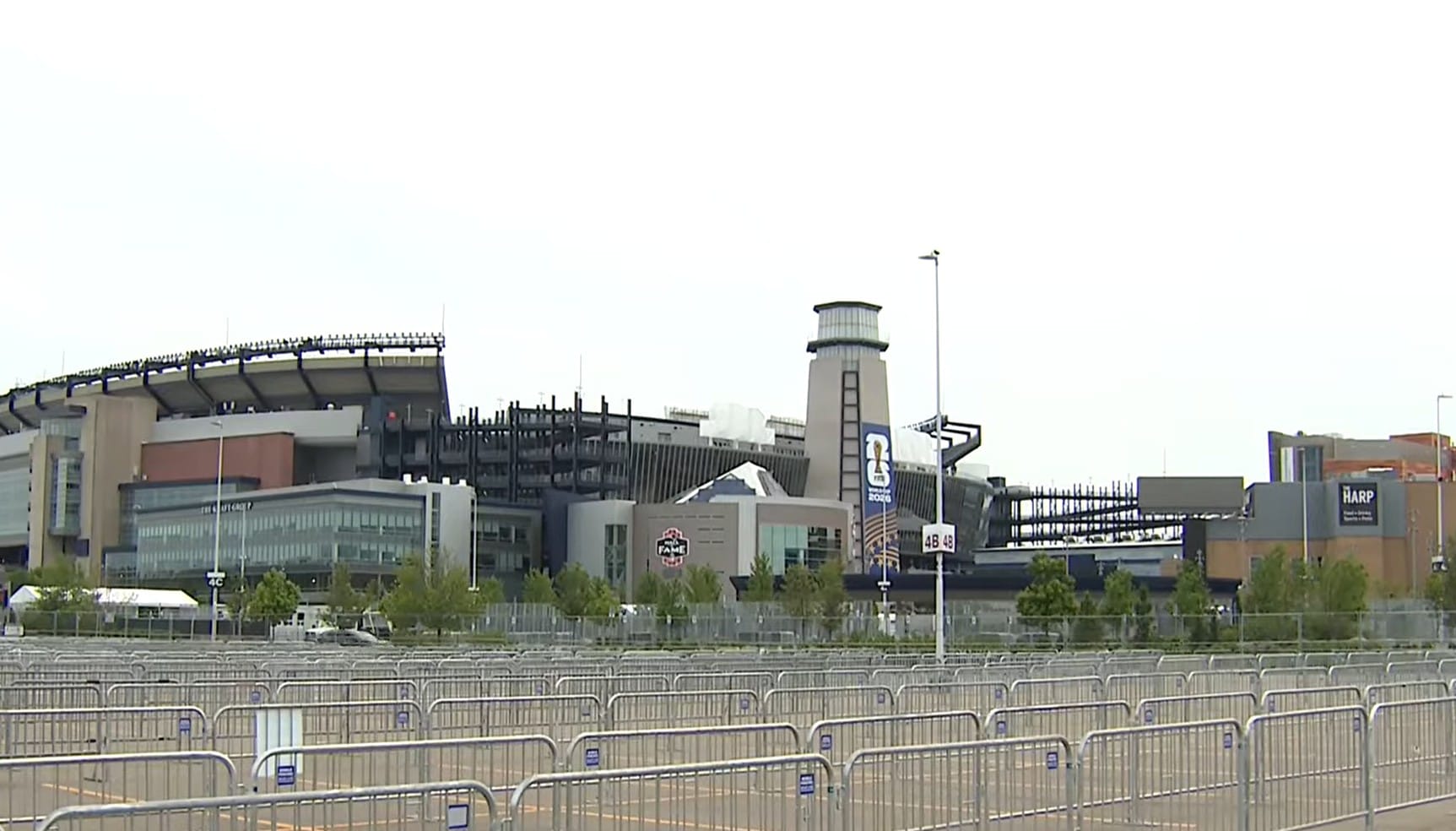
2. Beating the Boston Foxborough Bottleneck (Gillette Stadium)
Unlike urban venues, Gillette Stadium is located roughly 30 miles southwest of downtown Boston in Foxborough, Massachusetts. It is fed primarily by Route 1, a heavily commercialized, four-lane undivided highway that routinely turns into a parking lot.
The Problem: Route 1 Isolation
Route 1 cannot support the simultaneous influx of tens of thousands of global travelers who are unfamiliar with local driving patterns.
- The Trap: Relying on a rideshare vehicle from downtown Boston means your driver must sit in the same single-lane arterial traffic as standard commuters.
- The Consequence: Drivers routinely cancel World Cup trips mid-route when they realize they will be stuck in standstill traffic for hours, leaving fans stranded on the shoulder of Route 1.
The Playbook Fix: MBTA Commuter Rail Core Strategy
Your movement strategy for Gillette Stadium must prioritize rail over rubber. The Massachusetts Bay Transportation Authority (MBTA) runs special event trains specifically for major stadium events.
- The Boston Vector: Board the MBTA Event Train at South Station or Back Bay Station directly to the Foxboro Station platform located right at Gillette Stadium.
- The Providence Alternative: If you are staying south of the venue, check for the specialized event rail lines originating out of Providence Station in Rhode Island.
- The Parking Play: If you absolutely must drive, do not attempt to park in the official stadium lots unless you enjoy a two-hour exit delay. Instead, utilize private, authorized satellite lots located along Route 1 north of the stadium footprint, ensuring your vehicle is facing the direction of your return highway before kickoff.
The Hub Curator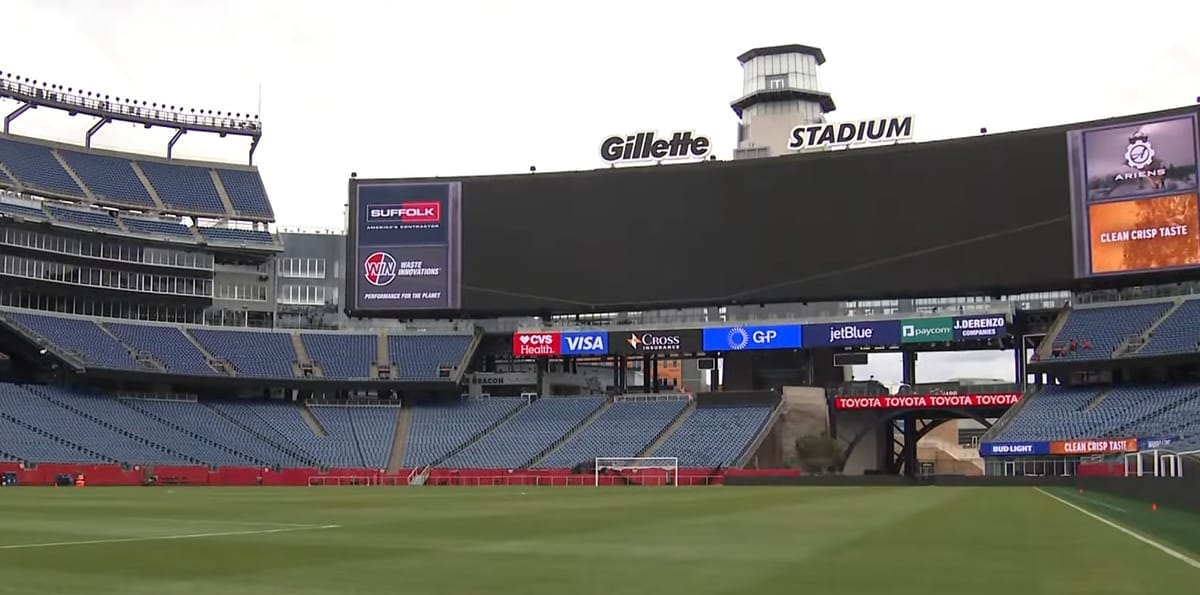
3. Universal Match-Day Rules for Global Fans
Regardless of which stadium you are targeting this week, protect your itinerary by enforcing these three rigid travel rules:
The 4-Hour Cushion
Plan to arrive at the stadium gates a minimum of four hours before the match begins. Security sweeps and perimeter checking systems will dramatically slow down pedestrian entry.
Pre-Download Offline Maps
Cellular towers will fail. Download an offline map of the entire metropolitan area on Google Maps or Apple Maps so you can navigate transit walking paths without data.
Cache Your Digital Tickets
Do not rely on live cellular data to pull up your ticket barcodes at the turnstile. Screenshot your tickets or load them securely into your Apple Wallet or Google Wallet before leaving your hotel room.
The Hub Curator
 The Hub Curator
Your consolidated checklist for a smooth travel experience as you traverse through the North America for FIFA World Cup 2026.
The Hub CuratorBookmark this: Your singular reference point for Match Day Transit Intelligence and guides across multiple host cities


