
Tactical Intelligence: Attempting to rely on standard rideshare applications for point-to-point stadium transit has officially become an operational failure at the 2026 World Cup. Local law enforcement and tournament organizing committees have massively expanded sterile security perimeters around all 16 venues, banning non-authorized vehicular traffic up to a mile outside the gates.
The result is a highly volatile "last-mile" bottleneck characterized by predatory surge pricing, driver cancellations, and miles of unexpected walking that are causing fans to miss kickoff.
The Architecture of the Sterile Perimeter
To protect matchday infrastructure, city planners have prioritized high-capacity regional mass rail loops and dedicated tournament shuttles over private passenger cars. Rideshare vehicles (such as Uber and Lyft) are treated as unauthorized personal transport, meaning they are blocked by physical barricades and biometric checkpoints from accessing standard stadium drop-off zones.
Drivers are forced to dump passengers at designated, highly congested drop-off points located far outside the primary arena footprint.
=======================================================================
                       THE LAST-MILE RIDESHARE BOTTLENECK
=======================================================================

  [ Hotel Departure ]      ══> Premium App Booking (Predatory Surge Pricing)
                                         │
                                         ▼ (Highway Gridlock)
  [ Perimeter Barricade ]  ══> Vehicle Blocked 1.2 Miles Away from Gates
                                         │
                                         ▼ (The Last-Mile Sprint)
  [ Forced Walk-Out ]      ══> Unplanned 25-Minute Hike Under Extreme Heat
                                         │
                                         ▼
  [ Security Entry ]       ══> Long Lines Combine to Force Missed Kickoff

=======================================================================
Parking Hyper-Inflation and Post-Match Standstills
The alternative—driving a rental vehicle directly to the match—presents an equally severe commodity trap. Parking passes at suburban venues like SoFi Stadium in Los Angeles and Levi's Stadium in Santa Clara have skyrocketed past $150 to $225 per single matchday.
Furthermore, fans who fork over these premium parking fees are discovering that leaving the stadium lot post-match requires sitting in an absolute, total standstill gridlock lasting up to three hours. Local authorities prioritize massive, outbound pedestrian crowd flows over vehicular movement, meaning parking lots are intentionally held on lockdown long after the final whistle.
Your singular reference point for Match Day Transit Intelligence
 The Hub Curator
Bookmark this: Your singular reference point for Match Day Transit Intelligence and guides across multiple host cities
Survival Rules for Last-Mile Mobility
To conquer the last mile without missing the opening whistle or spending thousands on predatory transit pricing, implement these rules:
Bypass the Stadium Rideshare Drop-Off
Never set your rideshare app destination directly to the stadium name. Instead, look up verified off-site buffer zones—such as the Arlington Entertainment District in Dallas or designated municipal light-rail transit hubs. Have your driver drop you there, then seamlessly link up with dedicated rail or high-capacity shuttle loops for the final approach.
Calculate a 30-Minute Walking Cushion
Assume that regardless of your transit choice, you will have to traverse the final mile entirely on foot due to vehicular perimeter locks. Factor a minimum 30-minute hiking buffer into your timeline before gate screening even begins.
Park Only at External Transit Hubs
If you possess a vehicle, completely ignore the stadium lots. Park your car at an external city-center rail hub or park-and-ride subway lot miles away from the arena. Taking the train or a dedicated bus corridor for the final leg allows you to slide past highway closures and save hours on your return journey.
 Phil Stilton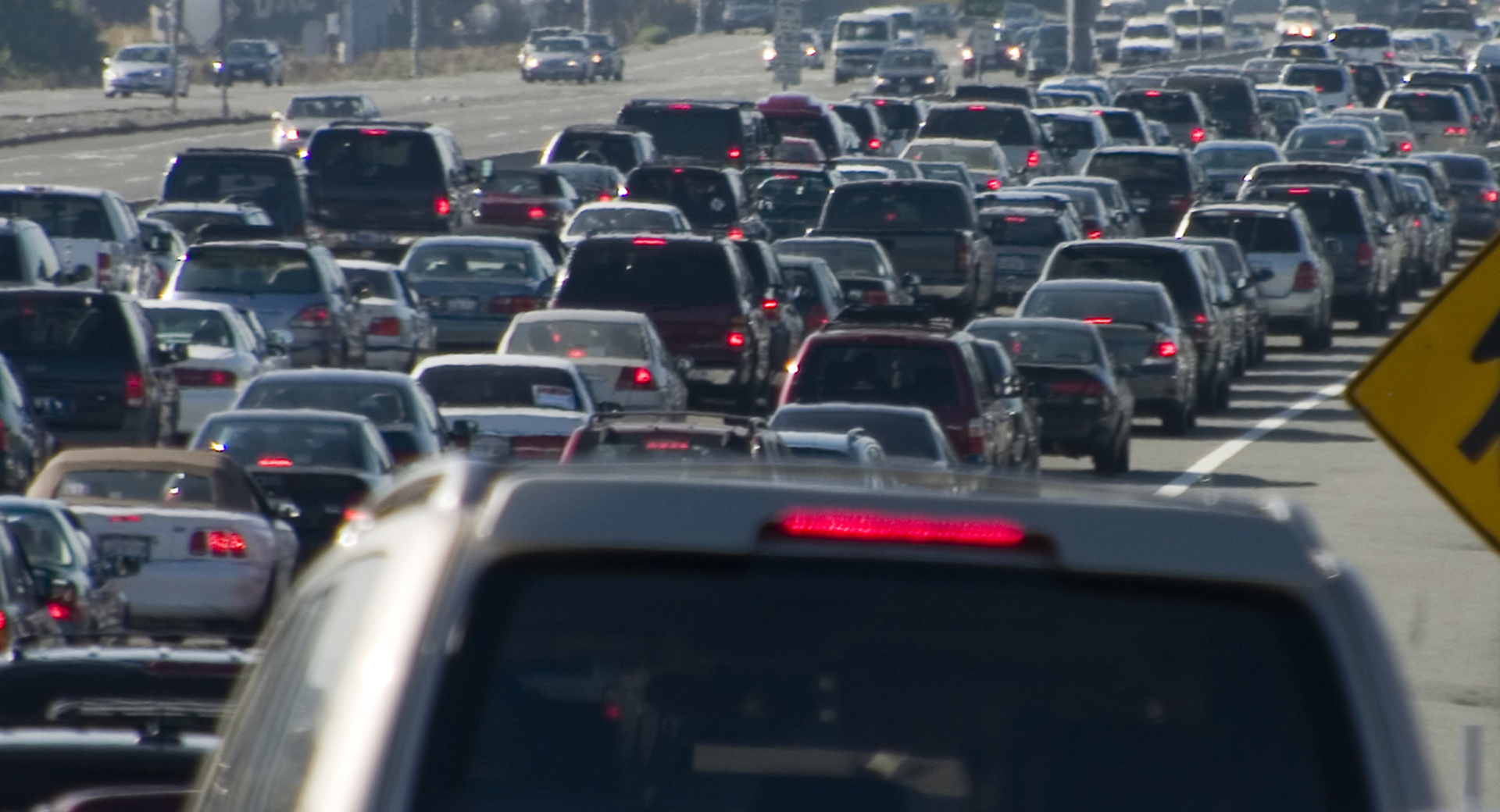
Feature image credit: Thought Catalog / Unsplash


