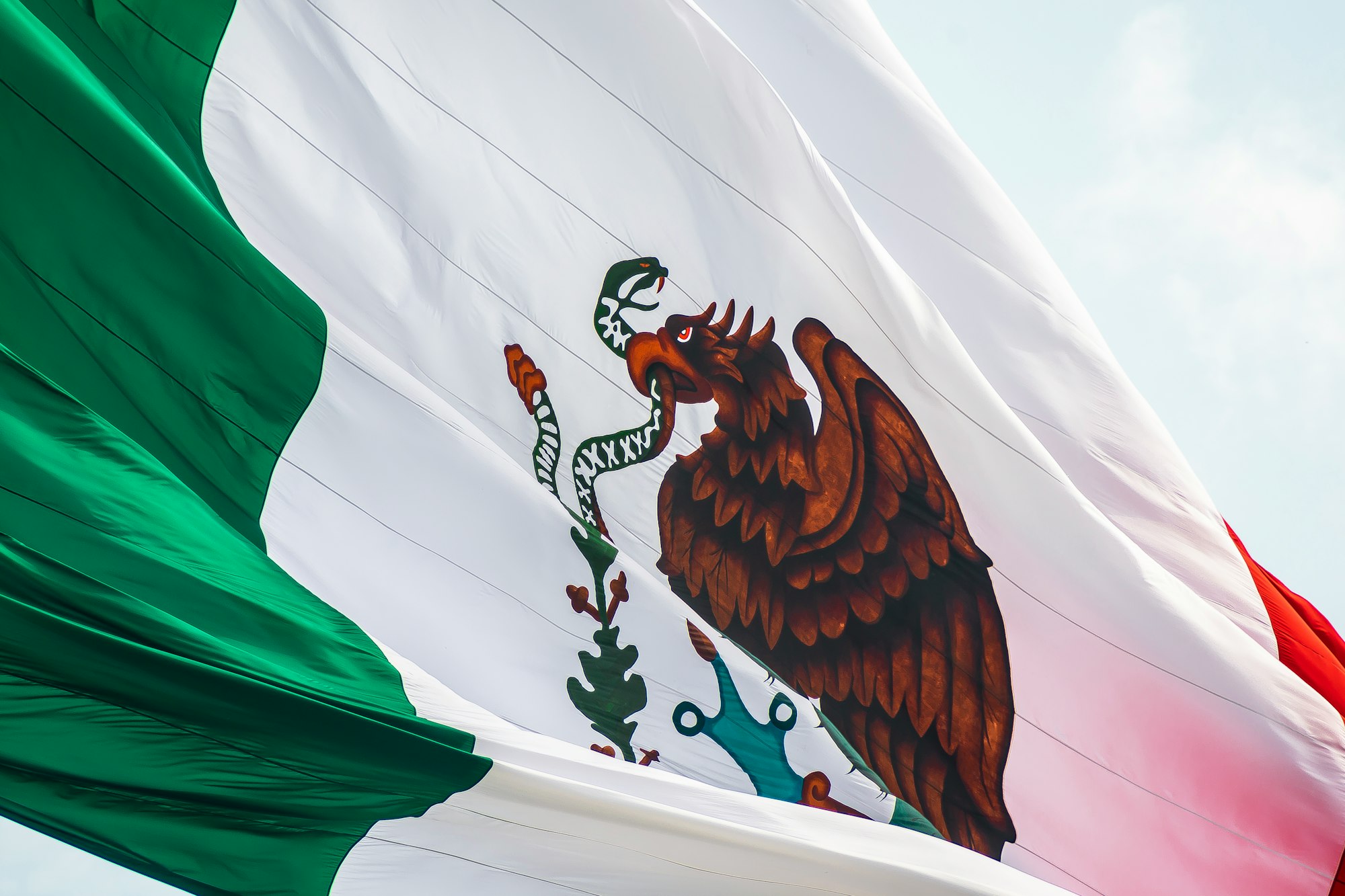
The geographic footprint of the 2026 FIFA World Cup has undergone a major, last-minute security realignment. Following official approval from FIFA, the Iran Football Federation has abandoned its planned tournament base camp in Arizona, shifting its entire operational headquarters south of the border to Tijuana, Mexico.
The sudden relocation comes amid escalating logistical and geopolitical complexities surrounding Team Melli's preparation on United States soil.
Stay in the loop on FIFA World Cup 2026 insights, Match Day and Host City Intelligence.
Get plain-English updates on tournament changes, match-day logistics, stories, and events that matter.
The Logistics of the Shift
Initially booked to train in the desert environment of Arizona, the Iranian delegation raised urgent concerns regarding secure perimeters and team privacy. FIFA’s operational security committee expedited the review process to authorize the move to Tijuana, citing the necessity of ensuring a stable training environment for all participating nations.
By moving to Baja California, the Iranian team remains within striking distance of Southern California's major transit hubs while operating under a completely modified security apparatus.
[ Arizona, USA ] --> Cancelled due to security concerns
│
▼
[ Tijuana, MEX ] --> Official new 2026 World Cup Base Camp
Impact on Group Stage Travel
The structural challenge of this move lies in the travel economy. Team Melli's tournament itinerary requires tight turnarounds between training sessions and matchdays.
Operating out of Tijuana introduces immediate border-crossing logistics for staff, media, and training protocols. Local organizers in Mexico have reportedly guaranteed direct, expedited transit corridors to the regional airports to minimize wear and tear on the squad.
The Border Security Apparatus
Mexican federal authorities, alongside municipal police in Tijuana, are establishing a dedicated "safe zone" around the team's chosen hotel and training pitches. This strategy mirrors the strict security protocols deployed during high-risk regional tournaments, featuring:
- Sterile Transit Routes: Closed corridors between accommodation and pitches.
- Biometric Access: Restricted entry for media and international delegations.
- Federal Guard Escorts: Constant surveillance during all domestic movements.
This development adds another layer of complexity to an already logistically demanding 48-team tournament, proving that even weeks before kickoff, the operational map of the 2026 World Cup remains fluid.
WION: Media coverage of the development
 The Hub Curator
 The Hub Curator