
The sheer scale of the 2026 World Cup is creating an unprecedented logistical crisis for North American aviation. With matches spread across three countries and multiple time zones, thousands of fans are attempting an incredibly risky travel strategy: flying into a host city on the morning of a match and flying out the same night.
Recent flight tracking data and airport stress tests reveal that aviation infrastructure is hitting peak saturation.
If you are planning same-day air travel for upcoming matches—such as the highly anticipated Qatar vs. Switzerland fixture in Santa Clara—you are operating on razor-thin margins. Here is the operational reality of World Cup airport saturation and how to protect your match itinerary from cascading delays.
1. The Reality of Air Traffic Saturation
Major hub airports (like JFK, LAX, and ORD) are accustomed to high volume, but regional engines and secondary hubs are buckling under the sudden influx of charter flights, private aviation, and commercial tier-increases.
Major tournament gateways - such as Dallas/Fort Worth (DFW) and Miami International (MIA)have been flagged by travel experts as high-risk for severe delays. For instance, Dallas routinely faces cascading delays during summer thunderstorms, putting fans at serious risk of missing matches if they connect there.
The TSA & Customs Chokepoint
It is not just a matter of planes landing on runways; it is a matter of processing human beings through terminal infrastructure.
- The Inbound Bottleneck: International arrivals from competing nations are causing customs processing queues to swell past three hours at major entry ports.
- The Security Backlog: On the morning of a match, TSA checkpoints at host-city airports are experiencing peak surges that standard historical data cannot predict. If you land two hours before kickoff, you have already missed the match.
Local Ground Congestion
Even when flights arrive safely, heavy localized traffic and long, strict security lines at major venues (like Hard Rock Stadium in Miami) have caused attendees to get stuck outside and miss major moments of the games.
Bypass the Stadium Chaos
Join traveling fans getting instant, plain-English match-day and transit intelligence directly to their inbox.
⚡ 100% Free • No Chatbot Noise • Pure Operational Intel
Get Free Match-Day Intelligence2. Case Study: The San Francisco Bay Area & Santa Clara Choke
The logistics surrounding the Qatar vs. Switzerland match at Levi’s Stadium in Santa Clara serve as a textbook warning for how geographic naming conventions trap unsuspecting travelers.

The Three-Airport Illusion
The "San Francisco" host destination actually relies on three distinct air terminals, each presenting vastly different transit timelines to the stadium gates in Santa Clara:
- San Jose International (SJC): The only true local airport for this fixture. SJC is less than 10 miles from Levi’s Stadium. If you fly here, your transit risk is minimal. However, commercial slots here are completely sold out weeks in advance.
- San Francisco International (SFO): Located roughly 30 miles north of the stadium. SFO is facing massive commercial delays. A same-day arrival at SFO means facing the notorious Highway 101 south corridor, which turns into a parking lot on match days.
- Oakland International (OAK): Located across the bay. Flying into OAK requires navigating the East Bay transit corridor or relying on the BART system to connect south—a multi-hour journey that leaves zero room for airline delays.
 The Hub Curator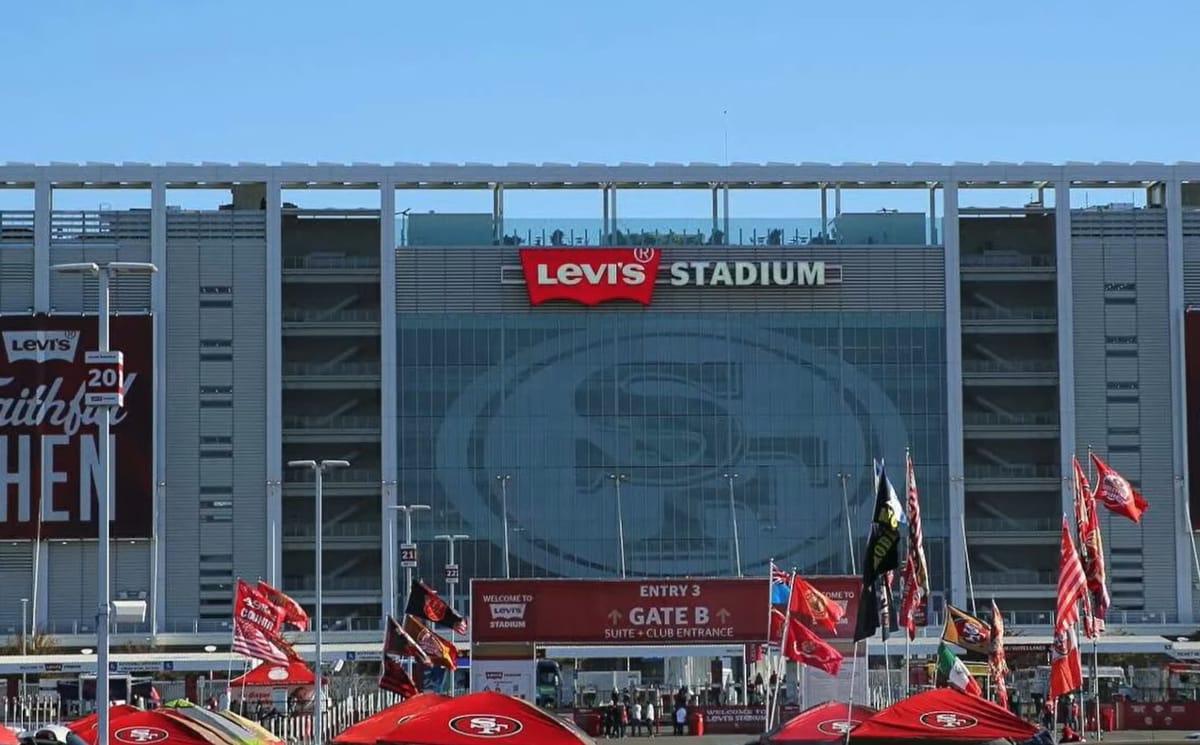
These same transit guidance also apply to other matches at the Levi's Stadium
3. The Same-Day Flight Playbook
If your travel budget or schedule forces you to rely on same-day flights, you must run an aggressive, military-style itinerary.
Never assume a flight will land on time during this tournament.
Rule 1: The "First Flight Out" Mandate
Never book a mid-morning or afternoon flight on match day. You must book the absolute first flight leaving your origin city (typically 5:00 AM or 6:00 AM departures).
- Why: Delays cascade throughout the day. Air Traffic Control (ATC) holds compound as airports become saturated. By being on the first plane of the day, you ensure your aircraft is already at the gate and not trapped in a holding pattern somewhere across the continent.
Rule 2: Travel Without Cargo
Do not check a bag. Period. Luggage handling systems at saturated airports are experiencing severe delays due to staff shortages and sheer volume. Waiting 45 minutes at a baggage carousel can mean missing your transit connection out of the airport terminal. Travel with a single, small backpack that fits under the seat in front of you.
Rule 3: Secure Your Airport-to-Stadium Vector Before Takeoff
Do not land at the airport and expect to easily hail a rideshare or buy a train ticket.
- For the Bay Area/Santa Clara choke, pre-load your digital transit cards for the VTA Light Rail or Caltrain networks.
- If using mass transit, know your transfer points before you lose cell service in a crowded terminal.
The Hub Curator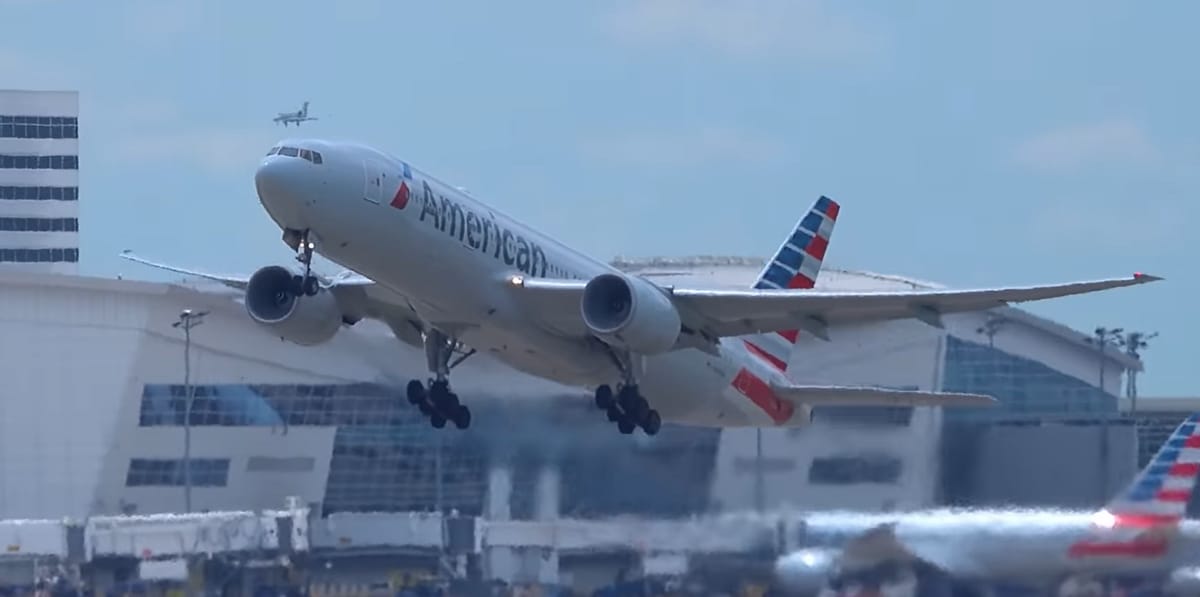
 The Hub Curator
Host Cities Intelligence at your fingertips when you need it!
Feature image credit: Chris Leipelt / Unsplash


